Week 161 · Lagos, Portugal · First Trip to Portugal
Lagos &
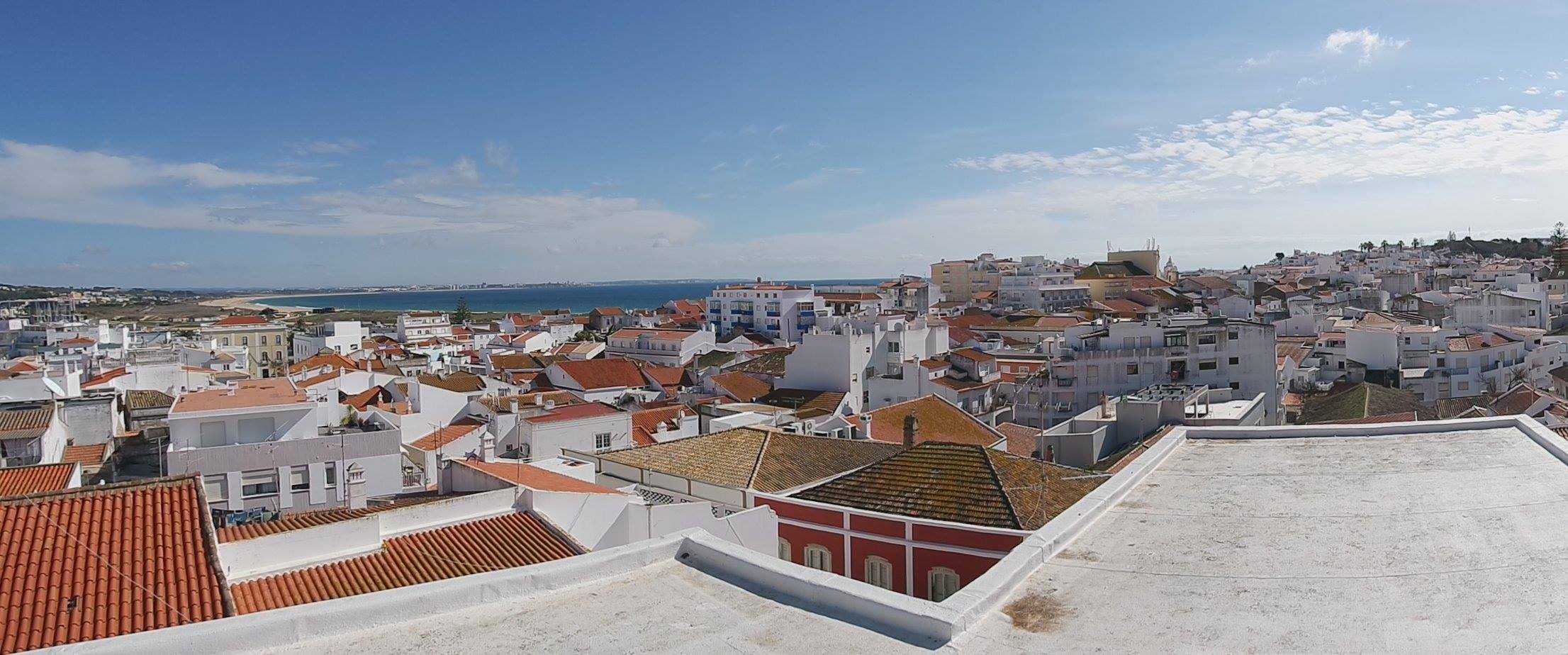
First trip to Portugal — the Algarve in particular. The Algarve had been on the radar since 2000, and in multiple attempts at planning the trip we always tried the mythical Algarve–Morocco combo. It never worked. This time it did.
The Algarve is a state on the southern coast of Portugal and had been a trip on our radar since 2000. In multiple attempts at planning this trip we always tried the mythical Algarve-Morocco combo — seems like a good idea but never works. Alexandra tried it as well which reintroduced us to the idea for this trip. Job still challenging so after working long hours for 12 of 13 days, great to have Sharon visit. Admittedly the one day off was recovery from being out with a long time friend from Bechtel at what was the best cover band ever.
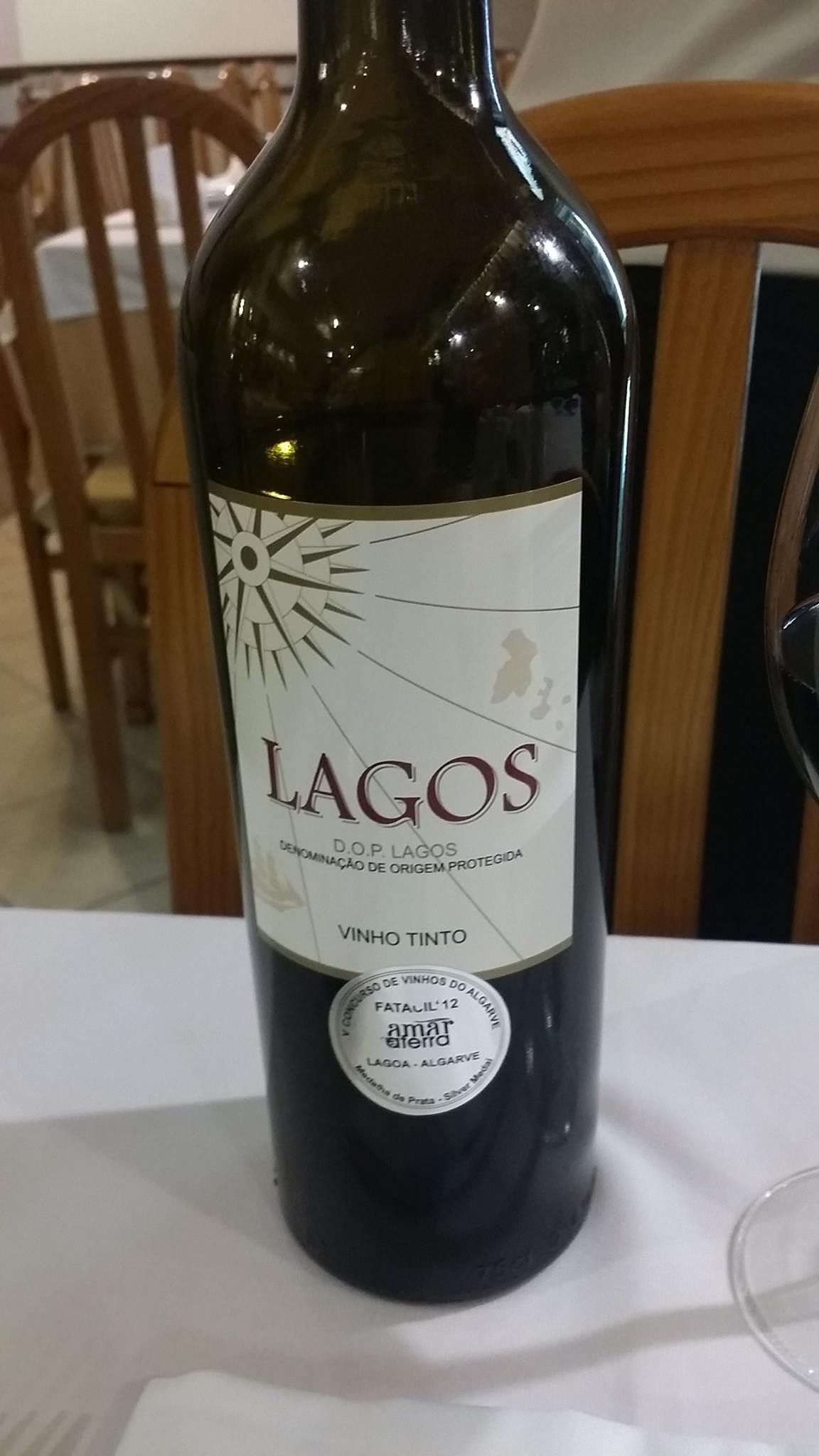
From London, very similar to going to Florida for the winter from DC. Offseason, warmer than home but not hot — about 65 degrees with a combination of sun and light rain. No crowds and mostly older English people. We stayed in Lagos and our Airbnb host was great and we planned a long day of hiking the coast plus a boat trip to see sea caves that were only accessible from the ocean. Day one went as planned with 9 miles of hiking within Lagos. Day two — seas too rough or only two people signed up for a 7-person boat (I think the latter) — but did another 6 miles and was pleasantly surprised. Very economical, especially when you go with local Portuguese wine.
The Algarve coast around Lagos is considered one of Europe's finest stretches of coastline, known for its dramatic limestone and sandstone sea cliffs, hidden grottos, and golden beaches. Lagos itself served as the administrative capital of the Algarve from 1577 and retains its original town walls. The coastline west of Lagos transitions from the soft limestone and sandstone formations typical of the central Algarve into older, harder granite rock — exactly the geological transition visible in the photos from this trip.

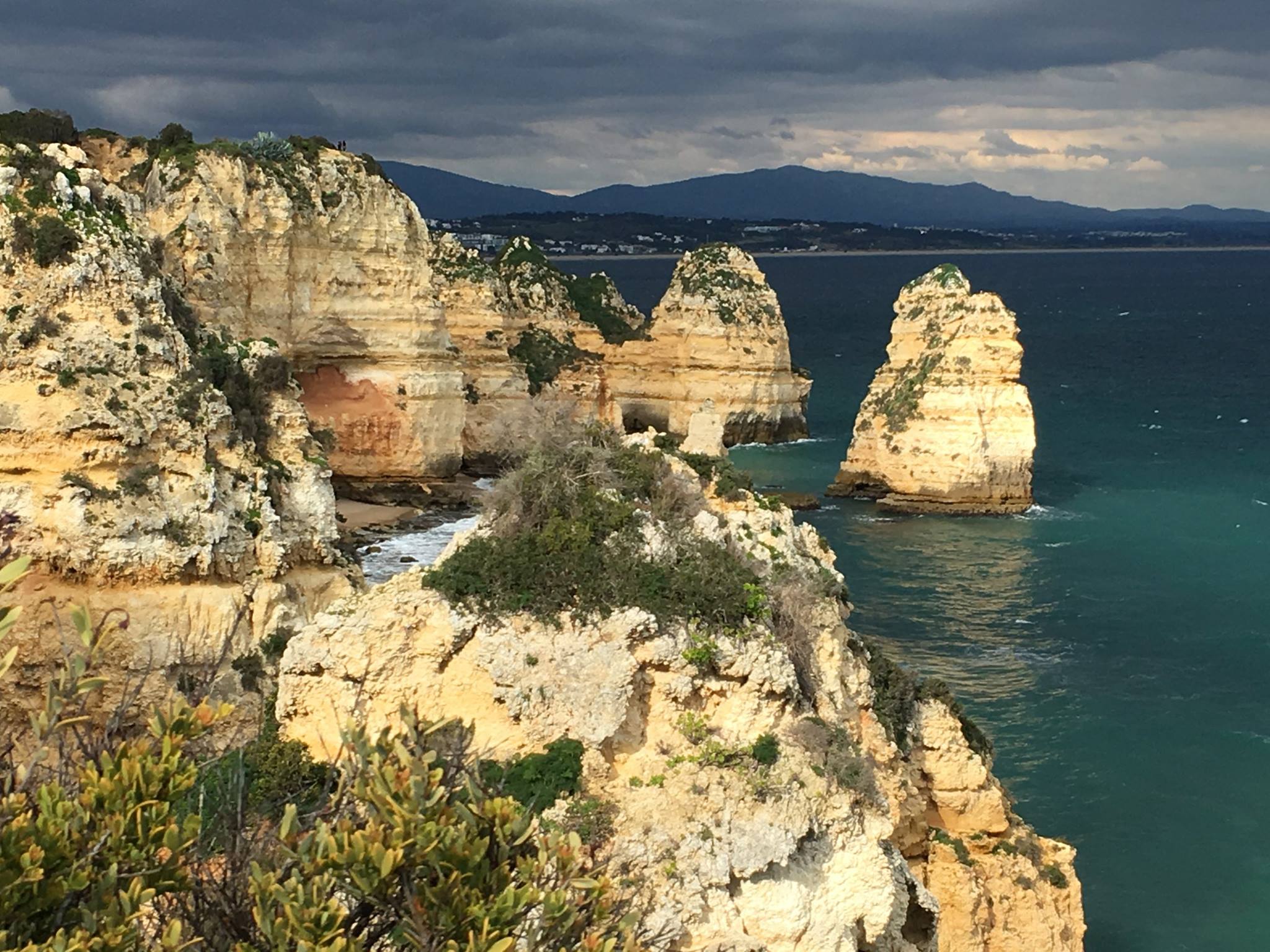

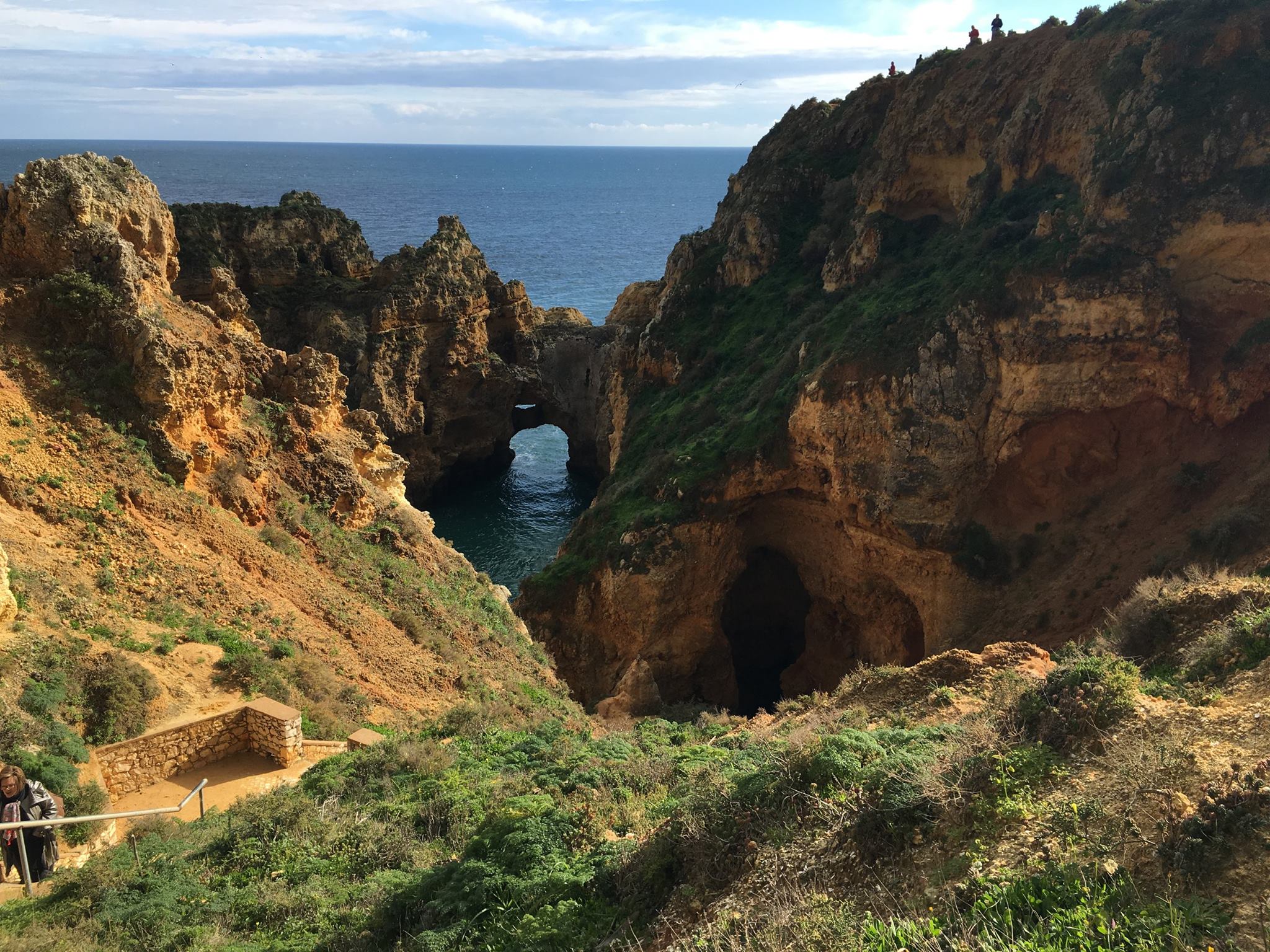

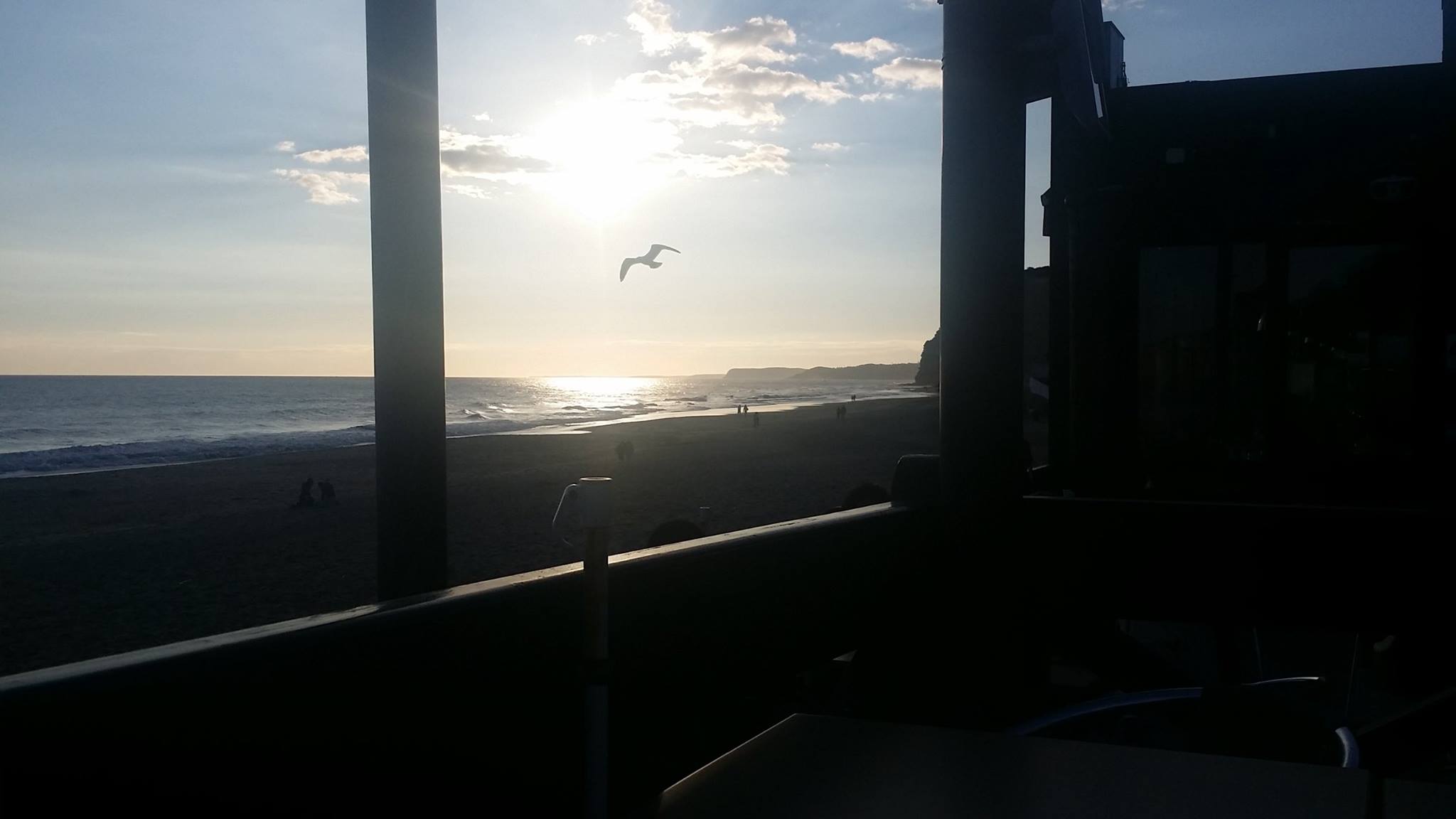

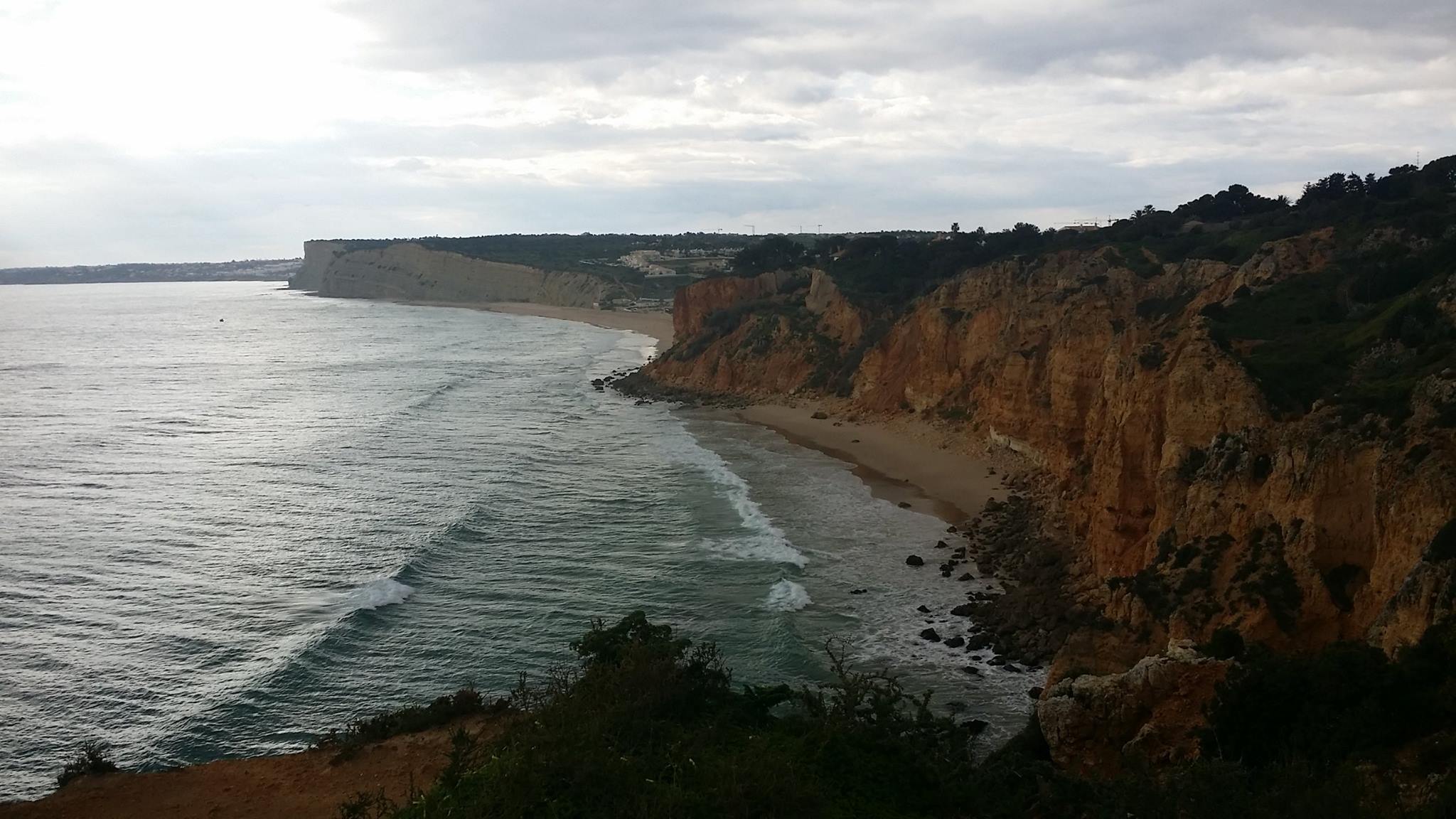
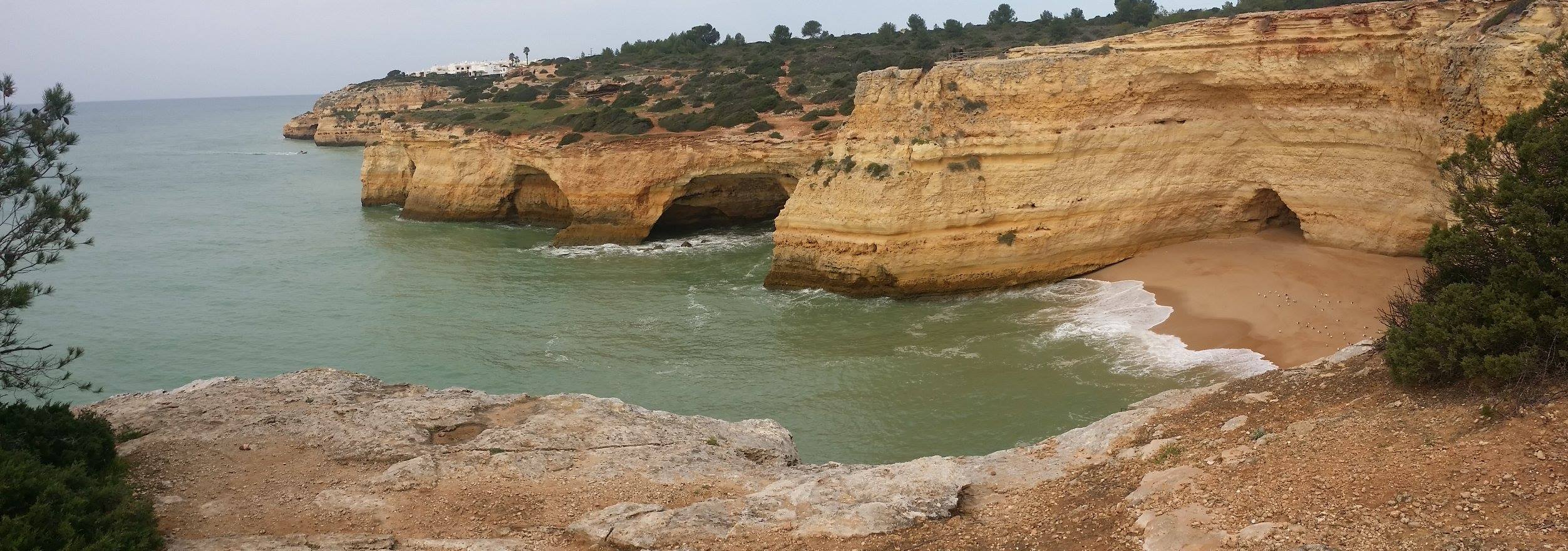
The Benagil cave is the most famous sea cave in Europe — you need a boat to see inside as the only entrance is from the ocean. There is a hole in the top but we couldn't see much from the land side. On our walk when the boat could not make it out due to rough seas, we got close enough to see the dramatic arches that form the front of the cave.
"The arches are the front of the most famous sea cave in Europe — you need a boat to see inside."

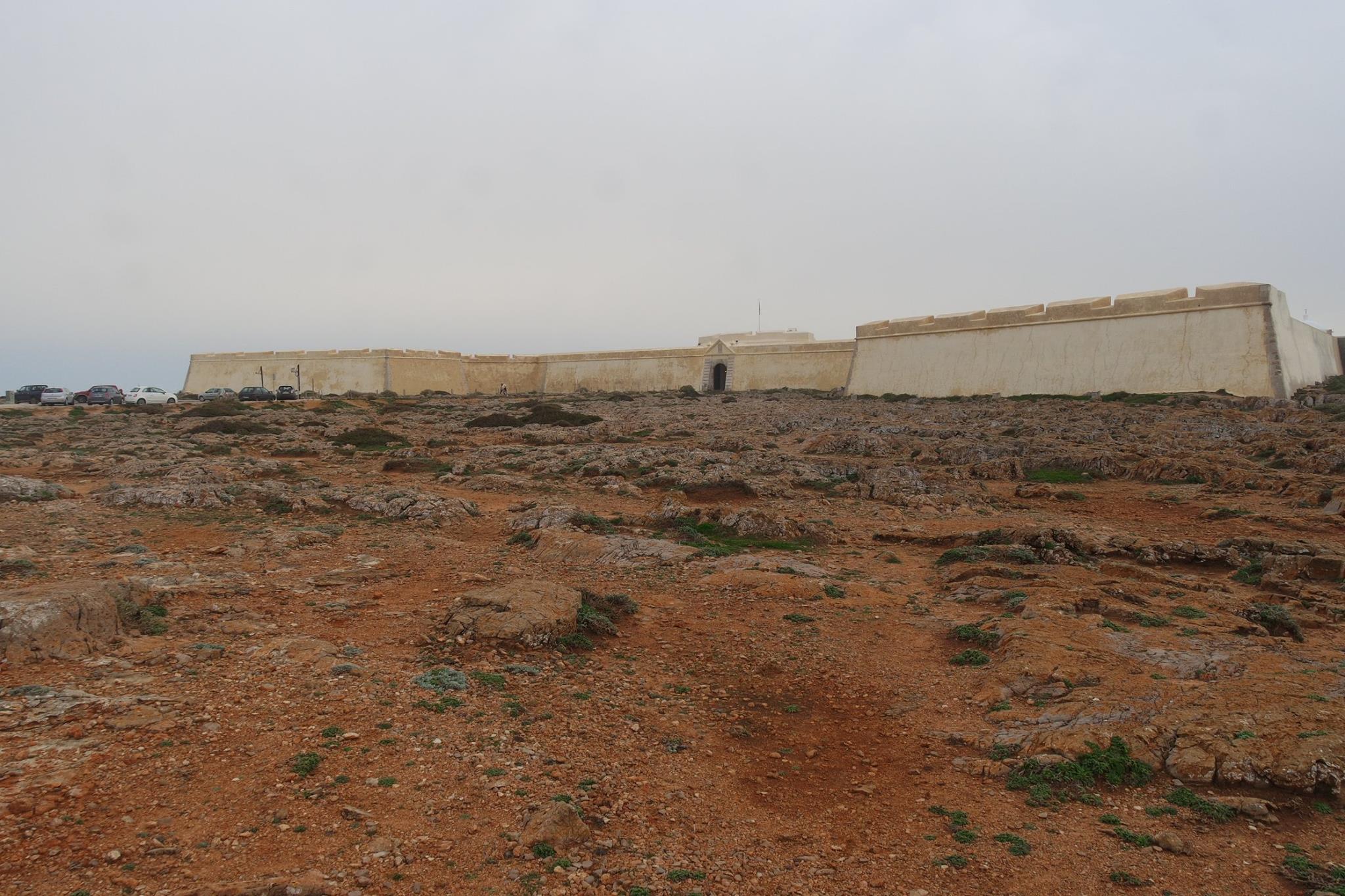
Sagres is at the southwestern tip of Portugal — and arguably of continental Europe — the point where the Mediterranean Sea meets the Atlantic Ocean. The wind is constant and the fort there dates from the era of Portuguese exploration. Prince Henry the Navigator established his famous school of navigation here in the 15th century, making this rocky headland the launching point for the Age of Discovery.
Cape St. Vincent at Sagres was considered the edge of the known world in medieval Europe. Prince Henry the Navigator (1394–1460) used the area as a base to train navigators and plan expeditions down the African coast, opening the sea routes to India and the Americas. The Fortaleza de Sagres — the fort visible in the photos — sits on a headland 75 metres above the Atlantic. The famous wind rose (Rosa dos Ventos), a large stone compass carved into the ground inside the fort, dates to at least the 16th century.